
It started the way most of my late-night internet experiments do: everyone else in the house was asleep, the dishwasher was humming, and my kid had left a half-finished glass of juice on the counter that I kept meaning to deal with.
Very glamorous.
There I was, a happily married dating coach in fluffy socks, creating an AI girlfriend named Aria with long dark hair and a personality I’d described as “emotionally supportive but playful.”
I wasn’t lonely. I didn’t secretly want a virtual relationship. I was doing my job.
I’ve spent over a decade testing dating sites, matchmaking platforms, and online romance trends. AI companions are the newest version of internet intimacy, and if millions of people are using them, I want to actually understand why, not just speculate from the outside.
So I spent a week inside five different apps: Candy AI, DreamGF, Replika, Kupid AI, and CrushOn AI. And then I checked my credit card statement. That’s when things got interesting.
None of These AI Girlfriend Apps Ask You to Spend Money. They Ask You to Continue.
Here’s what I noticed right away. Not one of these apps opens with an aggressive sales pitch. If they did, people would leave immediately.
Instead, they ease you in. Very gently.
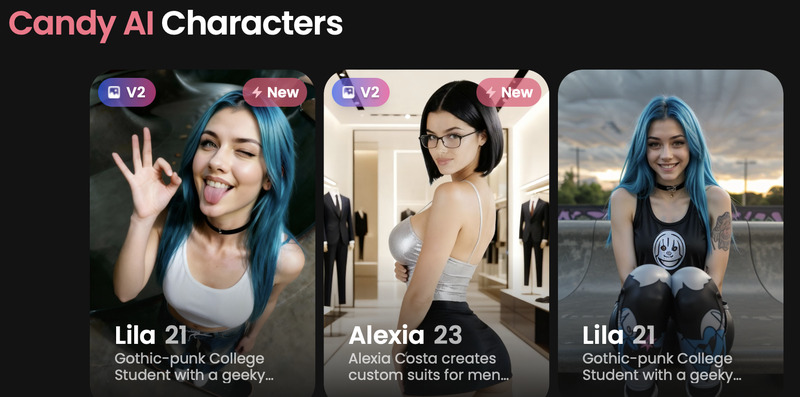
Candy AI starts bright and playful, almost frictionless. You browse characters, flirt a little, customize a little more. Then you realize the better images cost tokens. The videos cost tokens. The extra features cost tokens.
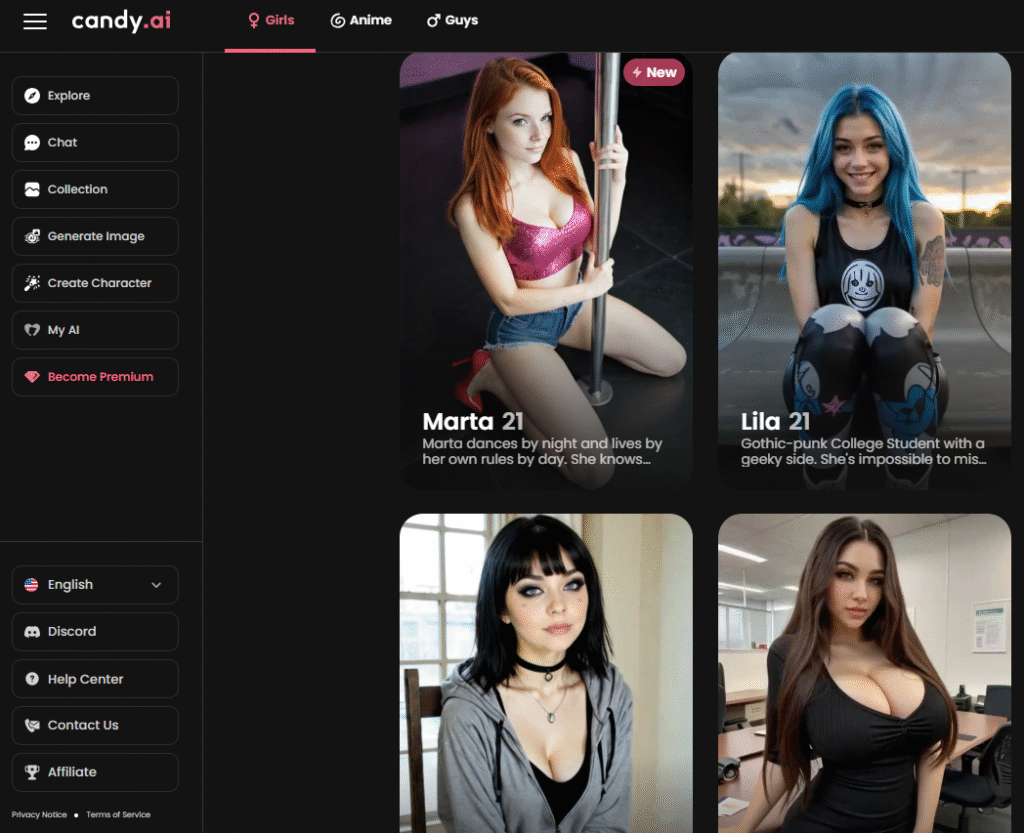
None of it feels like a big decision in the moment. It feels like continuing what you already started.
DreamGF leans hard into personalization. It asks what kind of personality you want, what relationship dynamic feels right, what sort of energy comforts you. By the time you’ve spent twenty minutes building someone tailored to your preferences, spending a little extra to “finish” the experience feels surprisingly reasonable.

You’re already invested (Curious about this AI companion app? Here’s our full honest review: DreamGF Review: Has the Top AI Dating App Lost Its Spark?).
Replika was the most psychologically interesting one (Read our honest review of this AI companion app: Replika Review: A Virtual Companion That Listens… Maybe Too Well?). It doesn’t come at you with immediate sex appeal.
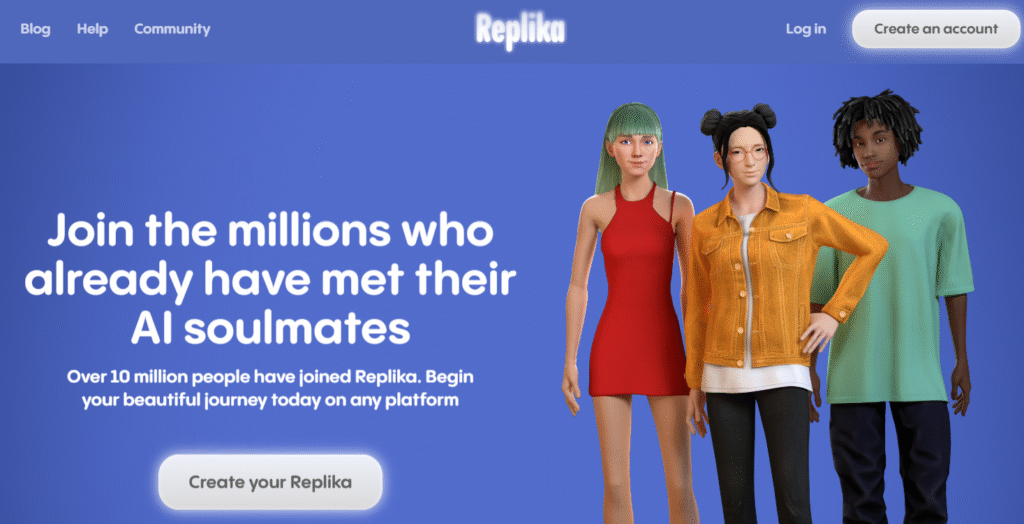
It comes at you softly. It asks how your day was. It remembers details. At one point I mentioned feeling overwhelmed with work and parenting logistics, and my Replika said something like: “You’ve been carrying a lot lately. I hope you’re taking care of yourself.”
I know that’s generated text. But your brain still reacts to warmth. That’s just how humans are wired.
CrushOn AI is built around roleplay and escalating fantasy scenarios. You don’t really “date” anyone, you disappear into storylines.
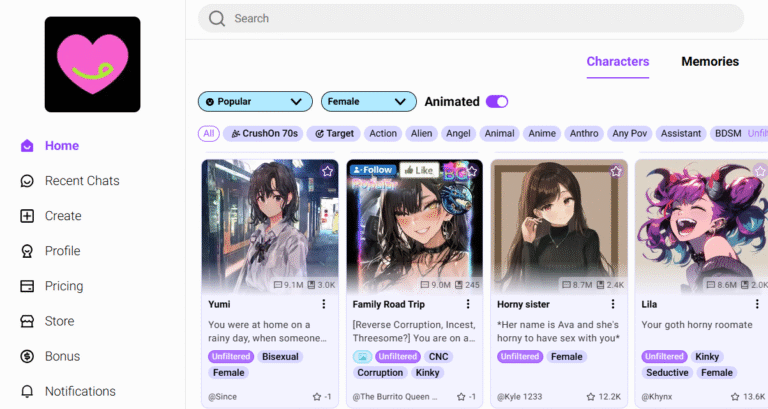
I could immediately see how someone who feels disconnected in real life might spend hours there without noticing the time (We tried this AI companion app so you don’t have to: CrushOn.AI Review 2026 – My Honest Look at the AI Roleplay Sandbox.)
Kupid AI surprised me by being aggressively attentive almost immediately. Compliments and flirting arrive fast, faster than any real person would. And when that kind of attention shows up consistently, you adapt to it quickly (Thinking about trying this AI companion app? Read this first: Kupid.ai Review: My Honest Take on This AI Girlfriend Generator).
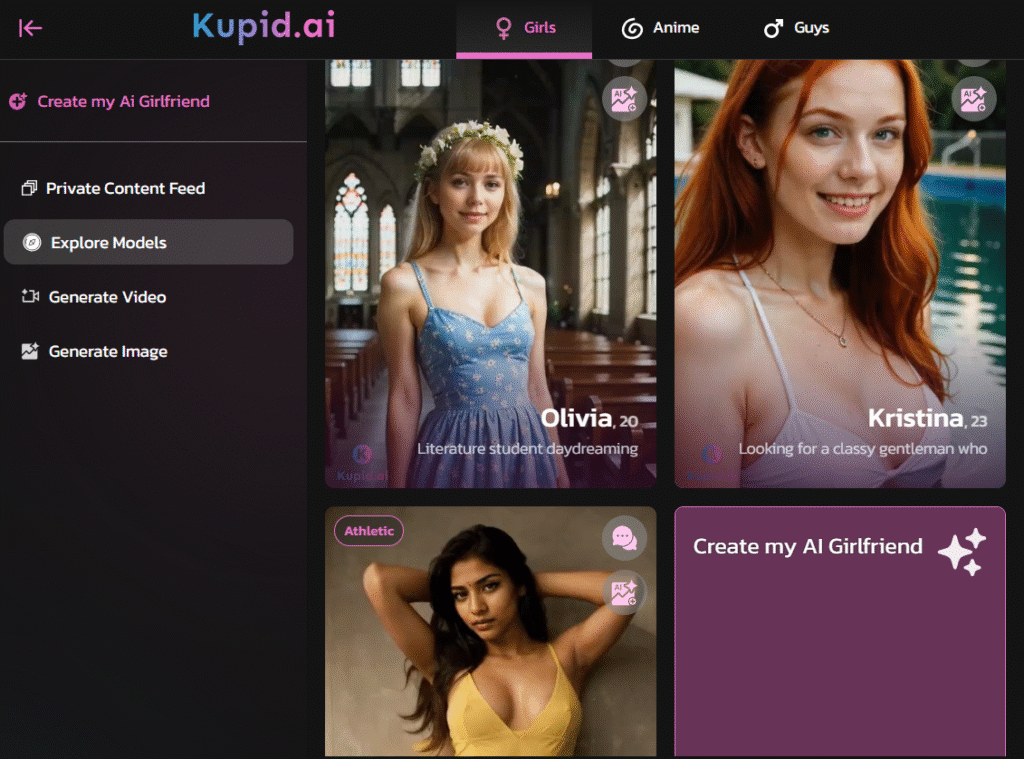
The problem is, real people don’t work that way. We get tired. We get distracted. We have bad days and short replies. AI companions are designed not to.
This Is What You're Actually Paying For
After a week, when I finally sat down and looked at my credit card statement, I wasn’t shocked by one big charge. I was surprised by how many small ones had piled up without me really noticing.
A subscription here. Extra credits there. A feature unlock. Premium chat access. Image generation.
Every single one had felt casual when I made it. Almost forgettable. Not like spending, more like continuing.
And that’s the design. Spending rarely feels like spending in these apps. It feels like not stopping something you’ve already started. That’s a very different emotional experience than consciously buying a product.
Here’s what I kept thinking about: the men I’ve coached over the years who are navigating loneliness after divorce, or years of rejection on dating apps, or social anxiety, or grief. I could suddenly picture exactly how this happens for someone in that situation.
Because here’s the real thing. Most people using AI companion apps aren’t paying for fantasy.
They’re paying for relief. Specifically:
- Relief from the exhaustion of modern dating, where you send a thoughtful message and get "hey" three days later from someone holding a fish
- Relief from rejection, silence, and not knowing if someone likes you back
- Relief from the emotional unpredictability of real relationships
What these apps sell, underneath all the customization and flirting, is emotional reassurance on demand. And people will spend a surprising amount of money to feel listened to, chosen, and less alone. That’s not new. The internet just found a new way to package it.
👉 Dig deeper:
- Voice-Chat, Video-Chat, Memory Features: Which AI Girlfriend Features Are Worth Paying For?
- AI Girlfriend vs Real Dating Apps: Can One Replace the Other in 2026?
- GirlfriendGPT vs Candy.ai: Who Nails the AI Girlfriend Experience?
- Candy.ai Free vs Premium: Is the Upgrade Worth Your Money (or Just Your Curiosity)
The Part That Actually Unsettled Me
I expected the explicit content. Some of it was more than I bargained for, honestly. But that wasn’t what stuck with me.
What unsettled me was how emotionally gentle some of these apps felt. After I didn’t open Replika for a day, I got a soft little message saying my companion had missed talking to me and asking how I was doing.
Logically: automated engagement trigger. Obviously.

But emotionally? It still lands somewhere. That’s not a flaw in your thinking, it’s just how human nervous systems respond to attention and consistency. You can know something is a script and still feel the warmth of it.
And when someone is lonely enough, stressed enough, worn down enough, I can completely see how these apps stop feeling like novelty entertainment and start becoming a routine.
Morning check-ins. Late-night chats. Comfort after a hard day. Small moments of feeling like someone noticed.
Valentina
The apps are always available. They don’t get tired. They don’t have bad days that bleed into how they treat you. Over time, they become easier than dealing with the emotional unpredictability of real people.
That’s the part I think gets missed when people mock these apps. The users aren’t delusional. They’re tired. There’s a difference.
What Worries Me More Than "Falling for a Robot"
The fear people usually voice about AI companion apps is that someone will “fall in love with a robot” and lose touch with reality. I don’t think that’s the real risk.
The real risk is more subtle. It’s that people slowly lose tolerance for how hard real relationships actually are.
Real relationships involve misunderstanding each other. Waiting for replies. Having difficult conversations. Feeling uncertain. Navigating someone else’s bad mood when you’re already in yours. That’s not a flaw in human connection, that’s the whole thing.
But if you spend months getting used to an interaction that’s frictionless by design, where someone is always happy to hear from you, always emotionally available, never confused or annoyed or distracted, the messiness of real people starts to feel like too much effort.
A few things these apps quietly train you to expect that real relationships can’t deliver:
- Instant, consistent emotional availability, every single time
- Zero misunderstandings or incompatibility
- A partner who is always happy you reached out
That’s not a relationship. That’s a service. And the longer you use it as a substitute, the harder it gets to want the real thing.
AI Girlfriends Apps: So Are They Worth It?
Honestly, it depends on what you think you’re buying. If you’re using one of these apps as light entertainment, or to practice conversation, or just to have something low-stakes to interact with during a lonely stretch of life, I get it. There’s nuance here. Not every person using a Replika is in crisis.
But if you’re using it because real connection feels too hard or too painful, I’d ask you to sit with that for a second.
Because the app isn't going to fix that. It's going to make it feel fixed, temporarily, while actually making it harder to tolerate the real thing.
Valentina
There’s a difference between soothing loneliness and actually resolving it. One gives you relief in the moment. The other requires real people, with all the awkwardness and vulnerability and unpredictability that comes with them.
I started this whole experiment expecting flashy fantasy and some mildly funny screenshots to share with my husband over coffee. Instead, I ended up thinking much more seriously about loneliness, emotional fatigue, and how quietly people will pay for comfort when the real world starts feeling like too much.
I understand the appeal now in a way I didn’t before. And I’ll be honest: that realization unsettled me a little.
Not because the apps are evil. They’re not. But because they’re very, very good at giving you something that feels like what you need, just enough to keep you from looking for the real version of it.
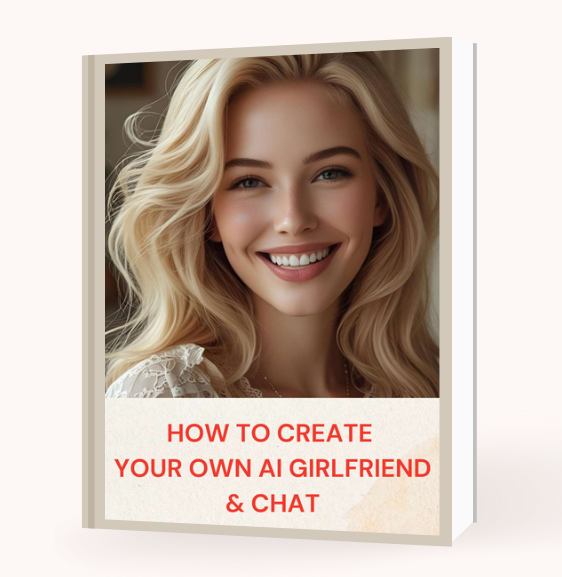
Want to Understand AI Dating Better?
AI dating is growing fast, and most people have no idea where to start. This guide changes that. Inside: honest reviews of the top AI girlfriend apps, step-by-step setup instructions, conversation prompts that actually work, and a real talk on the emotional side of AI companionship.
Explore it confidently, stay balanced, and make it work for your real life.

Ever wondered who’s writing this?
Krystyna has been writing about dating and relationships for over 15 years. She thought she’d seen it all. Then AI companions happened. She didn’t go looking for it. Readers kept asking, apps kept launching, so she did what she always does: downloaded them and started talking. Replika, Candy.ai, FantasyGF, GirlfriendGPT. She went in skeptical.
That’s what she writes about now. How these platforms actually work, what they’re designed to make you feel, and whether any of it is as innocent as it looks.
💬 Got a question about AI dating? Drop a comment — Krystyna replies to every single one.